There is a question on each and every diabetic’s mind and that is what food they can eat. Before that one has to check the Low Glycemic Index Indian Foods. According to that Glycemic Index, one is supposed to eat food. Here are some of the food that are Low Glycemic Index Indian Foods.
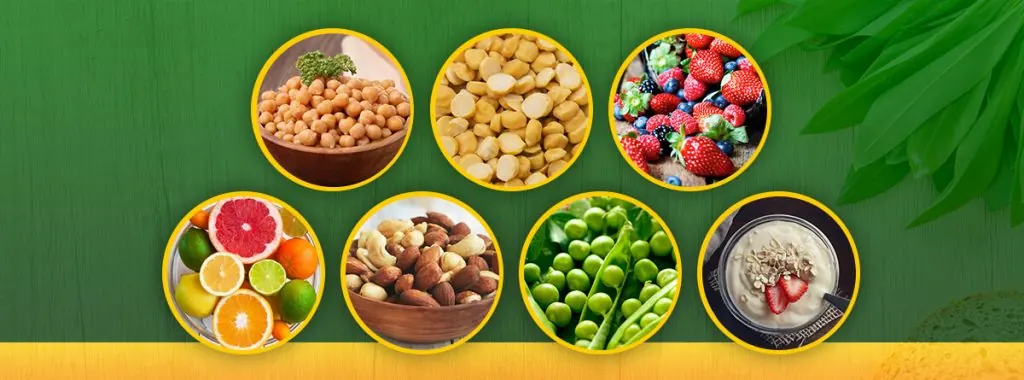
A great healthy and diabetic friendly option. Toss them into a salad, make a curry to go with your roti, or some yummy hummus to pair with pita bread.
Beans and dals
A staple of the Indian diet, all types of dals and beans are high in fiber. It slows the absorption of sugar and also lower cholesterol. So no need to scrimp whether it is dal tadka, dal makhani or rajma.
Berries
Berries are a good option for their low GI. They pack a punch with their antioxidants and nutrient content. They are also a great way to indulge your sweet tooth.
All types of nuts like peanuts, almonds, walnuts are a powerhouse food with low GI and high protein and fat. A handful of nuts a day are a great addition to your diet plan.
Leafy Green Vegetables
Green leafy vegetables have some of the lowest GI values. Also, they are packed with Vitamins, Potassium, Magnesium, iron, and even calcium. Whether in salads or cooked as vegetables, they are an important addition to a diabetic diet.
Milk and Yogurt
Non-fat dairy products have the right amount of carbohydrates and protein. They help control blood glucose levels. Two servings a day in daily diet is a good option.
Eating low glycemic foods should be combined with other eating plans. Also is it not like anything with a high GI should be banned from your diet. Some food items with a high GI can and should be included for complete well-rounded nutrition. Only be careful to include them in smaller quantities so that the load on your system is reduced.
And don’t look at any of this as a burden but as a challenge. Remember, the one who eats well lives well!
Low, medium and high GI foods: a quick Indian guide
The glycaemic index (GI) ranks carbohydrate foods from 0 to 100 by how fast they raise blood sugar. Low GI is 55 or less, medium is 56 to 69 and high is 70 or more. Values vary by variety, ripeness and cooking, so treat the numbers below as approximate.
GI band
Examples common in Indian meals
How to use
Low (55 or less)
Chana (chickpeas), rajma, masoor and moong dal, barley (jau), apple, orange, curd and milk
Keep portions moderate and add dal, vegetables and protein
High (70 or more)
White bread, polished white rice, potato, watermelon, sugary cereals
Limit, or eat small portions with protein and fibre
Low glycaemic index foods: frequently asked questions
What are some low GI foods in India?
Chana, rajma, lentils and dals, barley, most non-starchy vegetables, apples, oranges, guava, curd and nuts are good everyday low-GI choices.
Is GI the only thing that matters?
No. Portion size matters too, which is why glycaemic load (GI times the carbohydrate in a serving) is useful. A food with a high GI but little carbohydrate per serving, like watermelon, may have a small effect.
Does cooking change the GI?
Yes. Overcooking, mashing and fine milling raise GI. Whole grains, al dente cooking and cooling rice or potato can lower the effect on blood sugar.
Can I rely on a low GI diet alone?
It helps, but total carbohydrate, fibre, protein, activity and medicines all affect blood sugar. Build a plan with your doctor or dietitian.
This article is for general education and is not a substitute for medical advice. Talk to your doctor or diabetes care team before changing your diet, supplements or medicines.
Take Advantage of Healthy formula to curb your Diabetes Naturally with Goodness of Ayurveda
Sugar knocker an ayurvedic herbal supplement for diabetes uses 11 powerful herbs that help to maintain the Blood sugar level by supplying minerals and vitamins needed. Sugar Knocker not only focuses on controlling sugar level but it starts working on a root cause of diabetes.
What about all the potassium that is in foods on the diet on your brochure. I take Sugarknocker and now want to follow your diet but I have Chronic Kidney Disease from my years of being diabetic and can’t eat much potassium.
What about all the potassium that is in foods on the diet on your brochure. I take Sugarknocker and now want to follow your diet but I have Chronic Kidney Disease from my years of being diabetic and can’t eat much potassium.

What about all the potassium that is in foods on the diet on your brochure. I take Sugarknocker and now want to follow your diet but I have Chronic Kidney Disease from my years of being diabetic and can’t eat much potassium.
What about all the potassium that is in foods on the diet on your brochure. I take Sugarknocker and now want to follow your diet but I have Chronic Kidney Disease from my years of being diabetic and can’t eat much potassium.