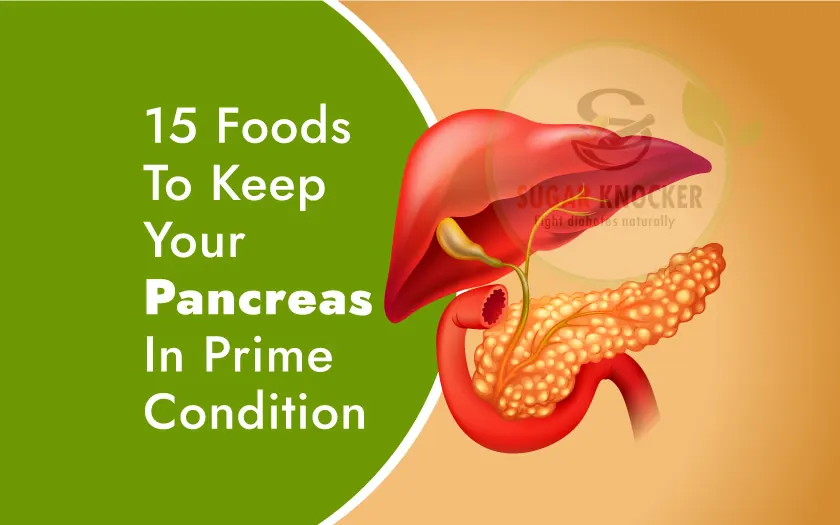
A pancreatitis diet is low in fat, rich in lean protein and built around small, frequent meals. Choose lean chicken or fish, fruits, vegetables and whole grains. Avoid fried food, sugary snacks, alcohol and caffeine. Needs differ between acute and chronic pancreatitis, so follow your doctor’s advice.
Pancreatitis diet at a glance
- Eat: lean protein, berries, leafy greens, oats, brown rice and low-fat yogurt.
- Limit: full-fat dairy, red meat, fried food and processed snacks.
- Avoid: alcohol, caffeine and sugary drinks.
- Habits: eat 5 to 6 small meals and drink at least 8 glasses of water a day.
Pancreatitis Diet – Introduction
Pancreatitis, an inflammation of the pancreas, can significantly impact one’s health and quality of life. Fortunately, this condition can be managed effectively through a well-structured diet. Understanding what to eat and what to avoid is crucial for reducing symptoms and promoting healing. This guide will help you navigate the best dietary choices for managing pancreatitis, ensuring you stay healthy and comfortable.
Understanding Pancreatitis Diet
What is Pancreatitis?
Pancreatitis is a condition characterized by inflammation of the pancreas, an essential gland involved in digestion and blood sugar regulation. This inflammation can be acute or chronic, with each type requiring specific dietary considerations to manage symptoms and prevent complications.
Why Pancreatitis Diet Matters in Pancreatitis Management
Diet plays a pivotal role in managing pancreatitis because certain foods can exacerbate symptoms while others can help soothe the inflammation. A well-balanced diet tailored to pancreatitis patients can aid in digestion, reduce pain, and prevent further attacks.
Key Nutrients In Pancreatitis Diet for Pancreatitis Patients
For those with pancreatitis, focusing on specific nutrients can make a significant difference. Key nutrients include:
- Proteins: Essential for repair and recovery of pancreatic tissues.
- Low-fat foods: To reduce the workload on the pancreas.
- Antioxidants: To combat inflammation and oxidative stress.

Pancreatitis Diet Food List: What to Eat
High Protein, Low Fat Foods
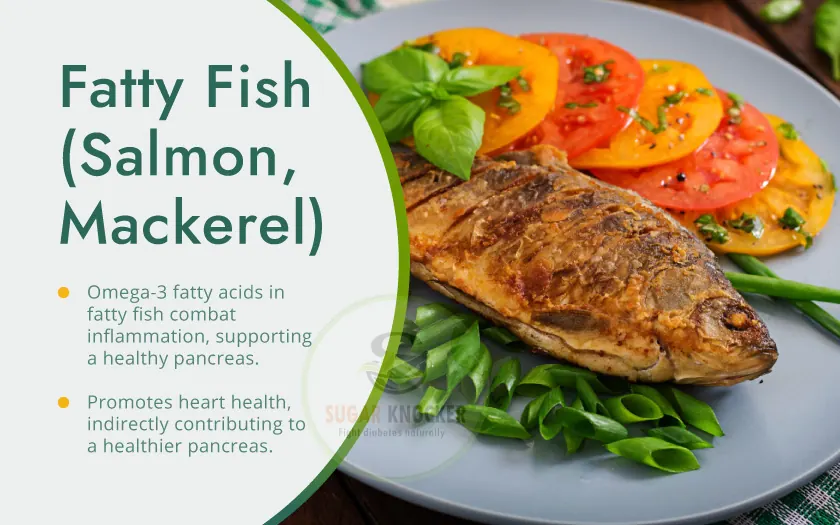
Lean proteins such as chicken breast, turkey, and fish are excellent choices for pancreatitis patients. These foods provide necessary nutrients without overwhelming the pancreas with fat, aiding in recovery and maintenance of muscle mass.
Fresh Fruits and Vegetables
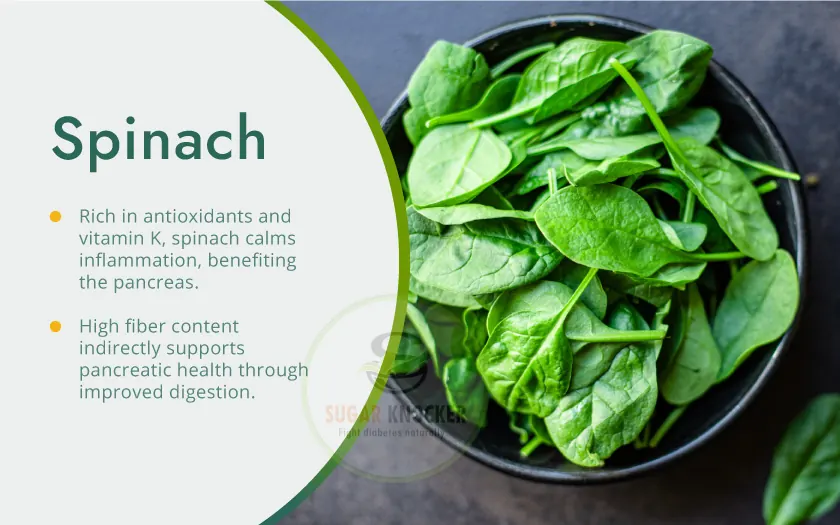
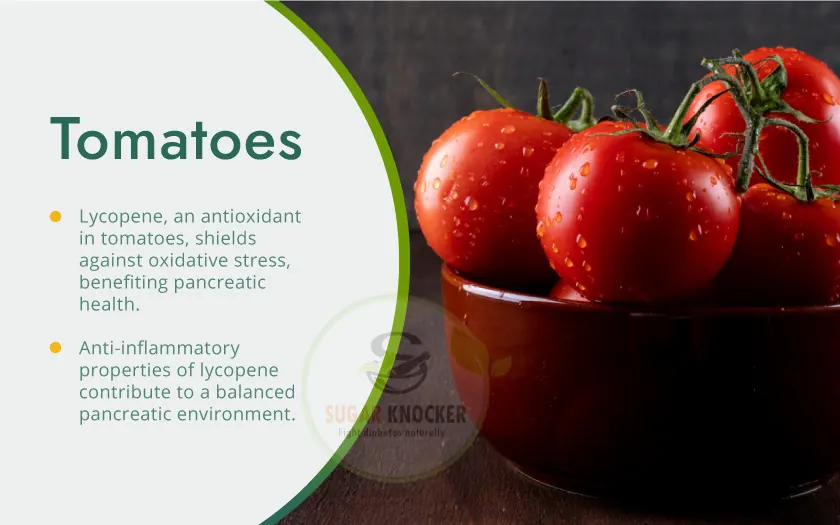
Incorporating a variety of fresh fruits and vegetables into your diet can provide essential vitamins, minerals, and antioxidants. Foods like berries, spinach, and carrots are particularly beneficial due to their anti-inflammatory properties.
Whole Grains and Fibers
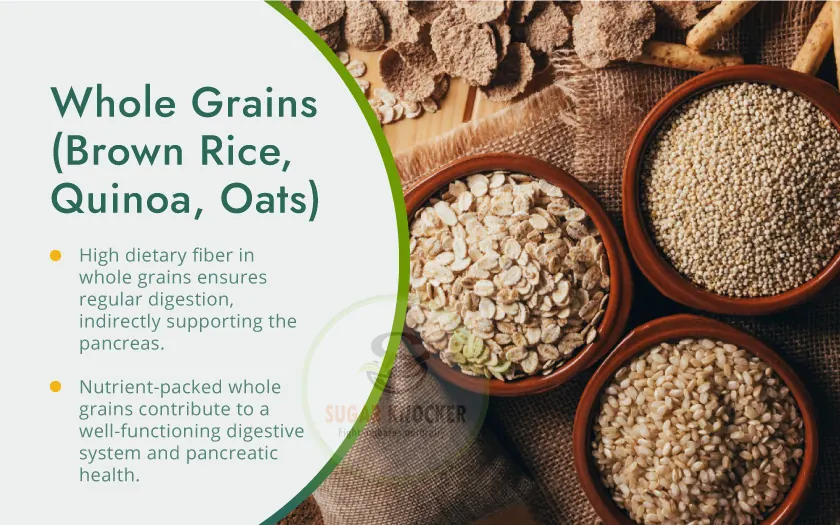
Whole grains such as brown rice, quinoa, and oatmeal are rich in fiber, which aids in digestion and helps maintain healthy blood sugar levels. These foods also provide sustained energy and prevent sudden spikes in blood glucose.
Foods to Avoid in a Pancreatitis Diet
High-Fat Foods and Their Impact
High-fat foods, including fried foods, fatty cuts of meat, and full-fat dairy products, should be avoided as they can increase pancreatic inflammation and trigger painful episodes. Opting for low-fat alternatives can help manage symptoms more effectively.
Sugary and Processed Foods
Sugary snacks, sodas, and processed foods often contain high levels of unhealthy fats and sugars that can exacerbate pancreatitis symptoms. These foods can also contribute to weight gain and other health issues, complicating the management of pancreatitis.
Alcohol and Caffeine
Alcohol and caffeine are known to irritate the pancreas and should be avoided. It can cause acute pancreatitis attacks, while caffeine can increase digestive tract irritation, leading to discomfort and pain.
Creating a Pancreatitis Patient Diet Plan
Sample Meal Plans
Creating a meal plan tailored to pancreatitis can help manage the condition more effectively. Here is a sample meal plan:
- Breakfast: Oatmeal with fresh berries and a side of low-fat yogurt.
- Lunch: Grilled chicken salad with a variety of vegetables and a light vinaigrette.
- Dinner: Baked salmon with steamed broccoli and quinoa.
- Snacks: Fresh fruits, vegetable sticks, and low-fat cheese.
Tips for Meal Preparation and Planning
Planning meals ahead of time can ensure that you always have pancreatitis-friendly foods on hand. Batch cooking, freezing portions, and keeping healthy snacks accessible can make it easier to stick to your diet plan.
Importance of Hydration
Staying hydrated is crucial for pancreatitis patients. Drinking plenty of water helps with digestion and can prevent dehydration, which can worsen pancreatitis symptoms. Aim for at least 8 glasses of water a day, and consider incorporating hydrating foods like cucumbers and watermelon.
Managing Symptoms and Signs with Diet
Recognizing Pancreatitis Symptoms and Causes
Understanding the symptoms and causes of pancreatitis can help in managing the condition effectively. Common symptoms include abdominal pain, nausea, vomiting, and digestive issues. Causes can range from gallstones and alcohol consumption to genetic factors and certain medications.
Diet Strategies for Symptom Relief
To relieve pancreatitis symptoms, focus on eating small, frequent meals throughout the day. Avoid large, heavy meals that can overwork the pancreas. Additionally, incorporating anti-inflammatory foods such as leafy greens, berries, and omega-3 rich fish can help reduce inflammation and discomfort.
Long-term Dietary Management
Long-term management of pancreatitis involves maintaining a consistent, healthy diet that supports pancreatic function and prevents flare-ups. Regular follow-ups with a healthcare provider or nutritionist can help tailor your diet to your specific needs and monitor your progress.
Frequently Asked Questions on Pancreatic Health
What foods should be avoided with pancreatitis?
Avoid high-fat foods, sugary and processed snacks, alcohol, and caffeine as they can exacerbate pancreatitis symptoms and trigger inflammation.
What is the best diet for someone with chronic pancreatitis?
A diet low in fat and rich in lean proteins, fresh fruits and vegetables, and whole grains is ideal for managing chronic pancreatitis. Hydration and small, frequent meals are also important.
Can I eat eggs with pancreatitis?
Yes, but opt for egg whites or low-fat cooking methods like boiling or poaching. Avoid frying eggs or using high-fat ingredients in their preparation.
Are fruits and vegetables safe to eat with pancreatitis?
Yes, most fruits and vegetables are safe and beneficial due to their high vitamin, mineral, and antioxidant content. However, avoid high-fat preparations like frying.
Is a low-fat diet necessary for managing pancreatitis?
Absolutely. A low-fat diet reduces the strain on the pancreas, helping to prevent flare-ups and manage symptoms effectively.
Can I drink alcohol if I have pancreatitis?
No, alcohol should be avoided as it can significantly worsen pancreatitis and lead to severe complications.
What are some pancreatitis-friendly snacks?
Good snack options include fresh fruits, vegetable sticks, low-fat yogurt, and whole grain crackers. These snacks are nutritious and easy on the pancreas.
How does hydration affect pancreatitis, and how much water should I drink?
Staying hydrated is crucial for managing pancreatitis. Aim for at least 8 glasses of water daily to aid digestion and prevent dehydration, which can worsen symptoms.
Are there specific foods that help reduce inflammation in the pancreas?
Yes, foods rich in antioxidants and omega-3 fatty acids, such as berries, leafy greens, and fatty fish, can help reduce inflammation in the pancreas.
Is it safe to consume dairy products with pancreatitis?
Low-fat dairy products are generally safe, but full-fat dairy should be avoided. Opt for low-fat or fat-free milk, yogurt, and cheese.
Conclusion
Managing pancreatitis through a carefully structured diet is essential for reducing symptoms and promoting healing. By understanding the foods to eat and avoid, and incorporating key nutrients into your meals, you can effectively manage this condition. Remember to stay hydrated, plan your meals, and consult with healthcare providers to tailor your diet to your specific needs. With the right dietary choices, living with pancreatitis can become more manageable and less painful.
Pancreatitis diet at a glance
| Choose | Limit | Avoid |
|---|---|---|
| Lean protein (fish, skinless chicken, lentils, egg whites) | Full-fat dairy, red meat, butter and ghee | Alcohol, in any amount |
| Fruits, vegetables and whole grains | High-fat sauces, creamy curries and gravies | Deep-fried foods and fast food |
| Small meals 5 to 6 times a day | Large, heavy meals | Processed meats, pastries and sweets high in fat |
| Water and other unsweetened drinks | Sugary drinks | Smoking |
Pancreatitis diet: frequently asked questions
What is the best diet for pancreatitis?
A low-fat diet built on fruits, vegetables, whole grains and lean protein, eaten in small, frequent meals. Your doctor or dietitian may adjust this, and some people with chronic pancreatitis need enzyme supplements.
What foods should you avoid with pancreatitis?
Avoid alcohol and fried or greasy foods, and cut back on fatty meats, full-fat dairy and rich sauces. Large meals can also trigger pain.
Can I eat eggs with pancreatitis?
Egg whites are usually fine because they are low in fat. Yolks contain fat, so keep them small and see how you tolerate them.
Can pancreatitis cause diabetes?
Yes. Damage to the pancreas can reduce insulin production and lead to type 3c diabetes. Read more in our guide to type 3 diabetes and type 3c diabetes.
When should I seek urgent care?
Get medical help straight away for severe or constant upper-abdominal pain, repeated vomiting, fever or yellowing of the skin or eyes. Acute pancreatitis often needs hospital treatment.
References and further reading
This article is for general education and is not a substitute for medical advice. Talk to your doctor or diabetes care team before changing your diet, supplements or medicines.